
Regular Walking Helps Your Body Handle Blood Sugar — Here Is How
For people managing diabetes, daily movement is one of the most practical tools available. No gym needed — just a consistent habit of getting up and walking after meals.
Get More Information
It Does Not Take Much — Just Consistent Movement
Walking is one of the few physical activities that almost anyone can do without preparation, equipment or training. The body responds to it almost immediately — muscles begin drawing glucose from the blood within minutes of the first steps, reducing the amount circulating after a meal.
The timing of a walk matters more than most people realise. Blood sugar climbs after eating and typically reaches its highest point within 30 to 60 minutes. Getting up and moving during this window — even briefly — gives the body a significant advantage in managing that rise.
All content on this page is educational. Please consult your doctor before making changes to your physical activity, especially if you have existing health conditions.
Walking by the Numbers
Figures are general and educational. Consult your doctor for personalised guidance.
Four Things That Get Better When You Walk More
These are practical, well-documented effects — not promises. The extent varies between people, but the direction is consistent.
Blood Sugar After Meals Stays in a Healthier Range
When muscles are working, they consume glucose from the blood directly. A walk timed after eating intercepts the post-meal rise before it reaches its peak — reducing the load on the body's glucose management system.
The Body Responds to Insulin More Effectively
Consistent physical activity gradually reduces insulin resistance. As the body becomes more responsive, it needs less effort to manage the same amount of glucose — making the entire system run more efficiently over time.
Heart Health and Blood Pressure Improve
Regular walking strengthens the cardiovascular system, supports healthy circulation and helps keep blood pressure within a manageable range. These changes accumulate quietly over weeks and months.
Stress Hormones Drop and Mood Lifts
Cortisol — a stress hormone that raises blood sugar when elevated — decreases during and after physical activity. Many people notice they feel calmer and more clear-headed after even a short walk outside.
Practical Things Worth Knowing Before You Start
Footwear is the one area where it pays to be careful. A shoe that fits properly — with enough room for the toes, a cushioned sole and no seams that rub — protects the feet during longer walks. After each outing, a quick visual check of the soles of the feet takes less than a minute and catches small problems early.
Carry something with fast-acting carbohydrate whenever you walk — a small juice, a few glucose tablets or a sweet biscuit. If blood sugar falls unexpectedly during the walk, you can address it immediately. This is simple preparation, not a reason to avoid going out.
Hydration plays a quiet but real role in glucose regulation. Even mild dehydration can cause readings to appear higher than expected. Drinking water consistently throughout the day — not only around exercise — supports more stable blood sugar overall.
Making It Last: The Simple Logic of Habit Building
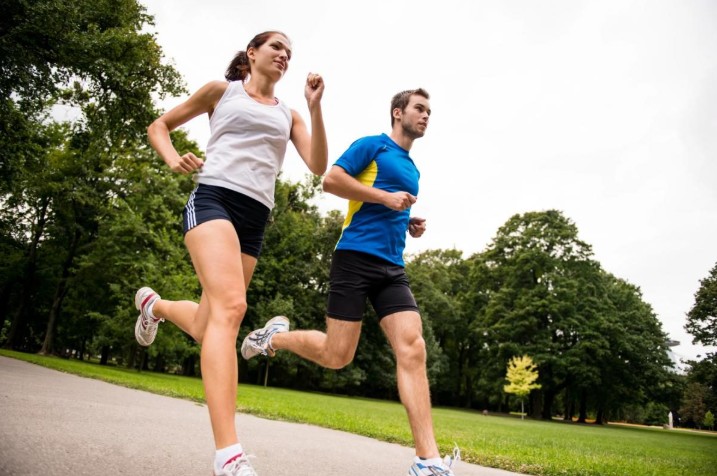
Habits that stick are almost always ones that require the least decision-making. Attaching a short walk to something already fixed in your day — immediately after lunch, right after the evening news, or before the first cup of tea — removes the mental effort of choosing to go. The walk becomes the next step, not an option.
Starting shorter than you think necessary is a genuine strategy. If ten minutes feels comfortable, begin with ten. The likelihood of continuing tomorrow is higher when today's session ended without strain. Duration and pace can increase gradually — and they usually do, naturally.
Days off are normal. Missing one walk is not a problem; treating it as permission to stop is where habits end. The simplest response to a missed session is to do the next scheduled one as planned, without adjustment or guilt. Long-term consistency, with occasional gaps, produces far better results than short intensive periods followed by nothing.
What People Have Said About This Page
"The numbers in the statistics section were what convinced me. I had heard that walking was good, but seeing how short a walk is needed to make a difference — ten minutes — made it feel completely doable."
— Venkat R., Hyderabad
"I have been managing elevated blood sugar for two years and this is the clearest explanation I have found of why movement after eating matters. I forwarded it to my sister who lives in Vijayawada."
— Sudha P., Secunderabad
"What I found most useful was the advice about starting small. I was trying to walk for 45 minutes straight and giving up after a few days. Starting with 15 minutes worked much better and I have been consistent for six weeks now."
— Mohammed A., Warangal
"My husband is a doctor and he read this page carefully. He said the information is accurate and appropriate — no exaggerated claims. He now recommends it to some of his patients as a starting point."
— Lakshmi K., Karimnagar
"I appreciate that the page is honest about the timeline. It does not claim results in three days — it says four to eight weeks, which is realistic. That actually made me more willing to try, not less."
— Ravi S., Nizamabad
"After reading this I tried a 10-minute walk after dinner for two weeks. I sleep noticeably better now and I feel less heavy in the evenings. I wish I had started doing this years ago."
— Padmaja N., Bengaluru
Get in Touch — We Are Happy to Answer Questions
Our Contact Details
If you have a question about the content on this page, or would simply like more information, use any of the options below and we will get back to you.
Email:
hello (at) fofagud.shop
Phone:
+91 40 2736 5081
Address:
19, Banjara Hills Road No. 2, Hyderabad 500034, Telangana, India
Questions People Commonly Ask
Does the type of surface I walk on make a difference?
For blood sugar management, the surface does not significantly affect the outcome. Flat, smooth surfaces are easier on the feet and joints, which is worth considering — particularly if comfort or foot health is a concern. The important variable is walking consistently, not the terrain.
Can I walk if I take medication that affects blood sugar?
Yes, but it is important to discuss the timing with your doctor. Some medications work in ways that interact with exercise, and your doctor may have specific recommendations about when to walk relative to when you take them, or how often to check your levels.
Is there a best time of day to walk?
After meals is the most effective timing for managing post-meal blood sugar specifically. Beyond that, the best time is whichever time you can consistently stick to. Morning walks often work well because fewer things come up to interrupt them — but a reliable evening walk is far more valuable than an inconsistent morning one.
Is the content on this page medical advice?
No. This page contains general educational information only. It is not intended as medical advice, diagnosis or treatment guidance. For anything specific to your health situation, please consult your doctor or a qualified healthcare provider before making changes to your routine.